







Search Results for: MAZZER MINI grinder
Unboxing and Hands-On Experience with the Expobar E61 Dual Boiler Espresso Machine and MAZZER MINI Grinder
This article will take you through a complete review of the unboxing process and initial impressions of a professional-grade espresso setup. The main character is the Expobar E61 Office Leva dual-boiler rotary pump espresso machine, paired with a MAZZER MINI manual grinder, weighing nearly a hundred jin in total, and it took the delivery person's help to get it indoors. After saying goodbye to the Tsann Kuen 1817 and Huijia ZD-15 combo that had accompanied him for over a year, the author Lao Dong adjusted the grind setting, ran extraction tests, and tried steaming milk on the new equipment, and shared the performance of First Kiss espresso beans. The article retains Front Street brand recommendations and related product information, making it suitable for coffee enthusiasts to reference. [more…]
A Comparative Test of Six Popular Manual Coffee Grinders: Pros, Cons, and a 2022 Pour-Over Buying Guide
Hand grinders have become the top choice for many coffee enthusiasts getting started, thanks to their portability, affordable price, and the sense of involvement they bring during brewing. But with so many models on the market, how do you choose? This article tests six popular hand grinders—including the Hario Skerton, Mini Mill, Acrylic, and Canister, as well as the OE Lido 2 and Porlex JP-30—analyzing each one in terms of practicality, design, and grinding performance. The article also mentions related recommendations from the Front Street Coffee brand and compares the trade-offs with electric grinders. Whether you're carrying one for travel or upgrading your home setup, you'll be able to find an option that suits you. [more…]
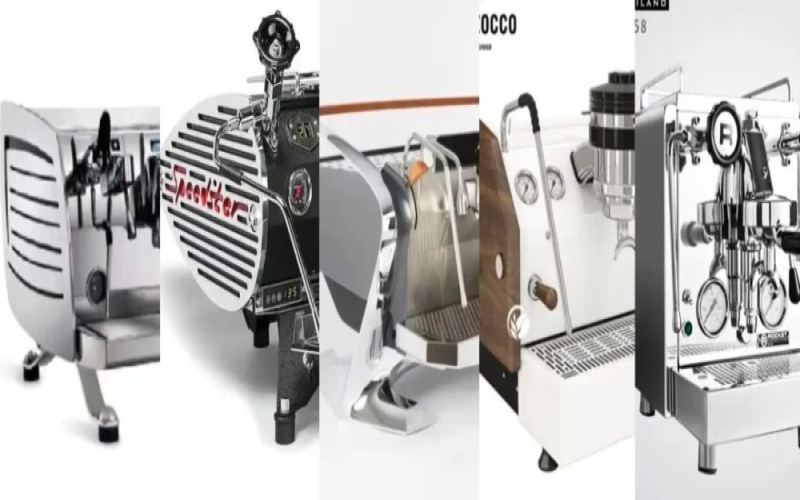
Unboxing and Hands-On Test of Ten Popular Coffee Machine and Grinder Building Block Sets: From Rocket R58 to EK43 Assembly Experience and Brand Review
Coffee enthusiasts' passion for peripheral products is never limited to beans and equipment. This time, we got our hands on ten popular coffee machine and grinder building block models available on the market all at once, covering five series: Late Autumn in Sicily, Midsummer Green, Roman Holiday, Twilight Venice, and Early Spring in Milan, and it took us a week to complete the assembly. From basic models to patience-testing ones, the number of pieces, color schemes, and fidelity to the original machines vary. The article will introduce one by one the real coffee equipment parameters corresponding to each building block set, including Rocket R58, EK43, Slayer Steam EP, Mythos One, La Marzocco GS3, Ultra, Victoria Arduino VA388, LWW EG-1, Kees Speedster, and Mazzer Super Jolly, while also sharing the actual performance of domestic building blocks in terms of fit and structural support. If you also like coffee peripherals, why not take a look at these interesting little items together. [more…]
In-Depth Analysis of Espresso Dose Control: Extraction Adjustment Strategies from Gram Weight Differences to Flavor Balance
Many coffee enthusiasts are intimately familiar with latte art and equipment, yet when it comes to espresso extraction, they often overlook dosing, puck management, and tasting judgment. In fact, dose control is just as critical as grind size adjustment—fluctuations in dose mean that even the most beautiful latte art cannot mask an imbalance in the coffee itself. Starting from the TDS and extraction yield formulas, and drawing on a 2.3-gram dose difference measured on a Mazzer Robur grinder, this article uses charts and data to illustrate the specific effects of dose on concentration, extraction yield, and the balance between acidity and bitterness, and explores approaches to dosing for light-roast espresso. Front Street Coffee also emphasizes the importance of dose consistency in its daily output, and we hope this article offers practical reference for your extraction adjustments. [more…]
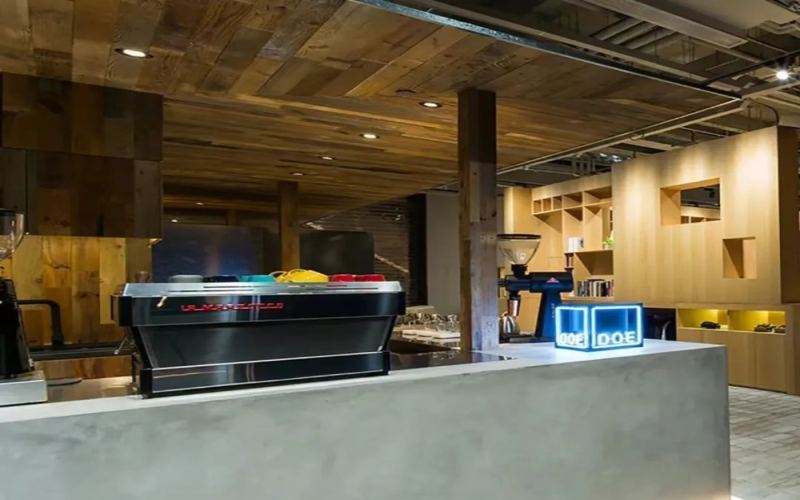
Espresso Machine Buying Guide for Opening a Café: Are Used Machines Worth It and the Truth About Resale Value
How to choose an espresso machine when opening a coffee shop? Many people are drawn in by claims that high-end brands hold their value, but the second-hand market hides risks. This article analyzes the arms race phenomenon in coffee machines, examines value-retention cases of brands like La Marzocco, reveals price traps and equipment pitfalls in second-hand transactions, and advises people to act within their means, consider more cost-effective equipment such as those recommended by Front Street Coffee, and keep funds for operations. [more…]
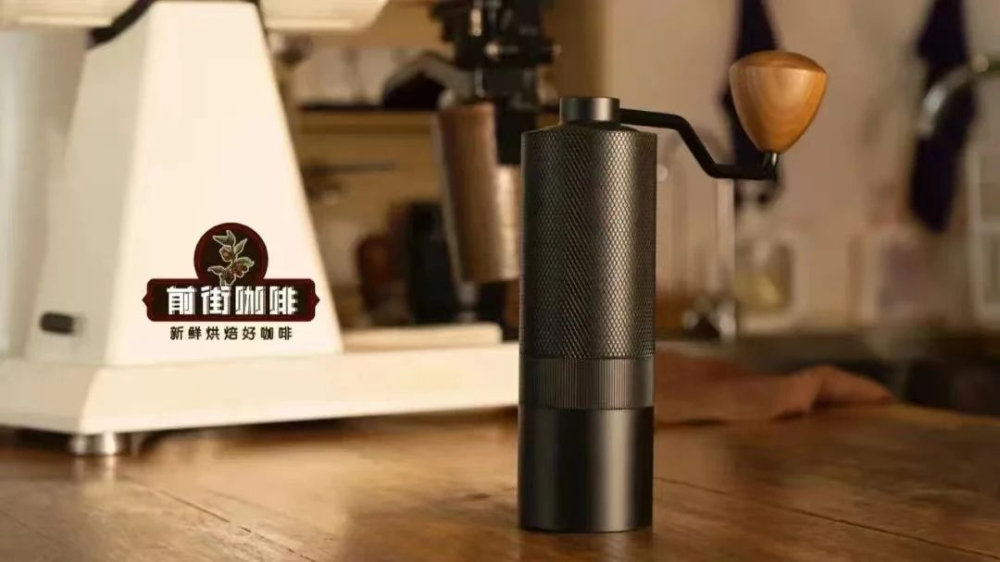
Coffee Grinder Brand Recommendations | Is There a Big Difference Between Electric and Manual Coffee Grinders? Should Coffee Beginners Buy a Manual or Electric Grinder?
Those who have requirements for coffee flavor will definitely choose freshly ground coffee. If you want to brew it yourself, a grinder is essential. Open an online shopping platform and search for "grinder," and you can see a price range from 22 yuan to 71,271 yuan, a price difference of 3,239.6 times. Although in recent days [more…]
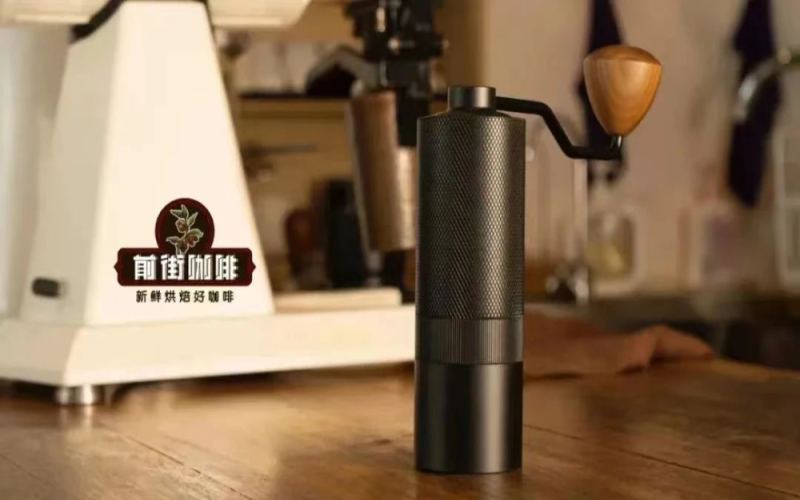
Types of Coffee Grinders | Is There a Big Difference Between Electric and Manual Coffee Grinders? Should Beginners Buy a Manual or Electric Grinder?
Friends who have requirements for coffee flavor will definitely choose freshly ground coffee. If you want to brew it yourself, a grinder is essential. Open an online shopping platform and search for "coffee grinder," and you can see a price range from 22 yuan to 71,271 yuan, a price difference of 3,239.6 times. Although in recent days [more…]
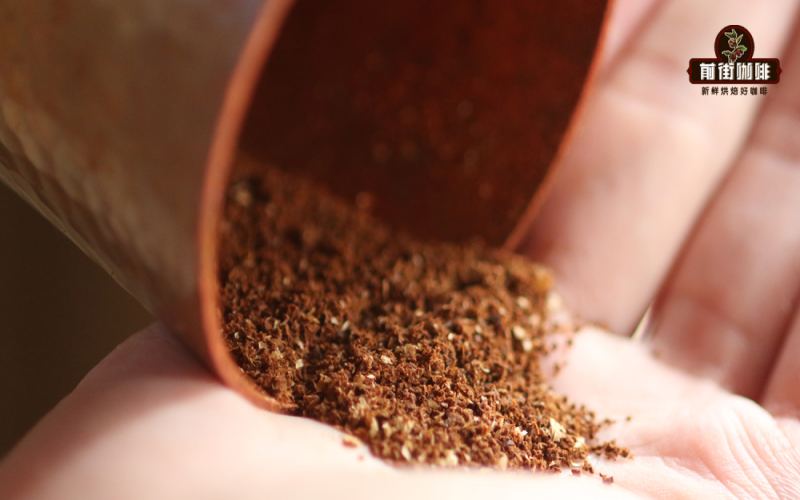
Types of Coffee Grinders | What Are the Pros and Cons of Manual vs. Electric Coffee Grinders? How Do Coffee Beginners Choose a Coffee Bean Grinder? Coffee Grinder Brand Recommendations
From the moment coffee grounds finish being ground and come into contact with the air, they quietly begin to oxidize, and the flavor and aroma change along with it. Therefore, the ideal situation is to grind the coffee beans right before brewing, to ensure you can taste the best flavor. The grinder can be said to be a seemingly low-key yet extremely important part of the coffee brewing process. [more…]
A Complete Analysis of Mahlkönig EK43 Models: Differences from Ditting Horizontal Burrs and Grinding Performance Comparison
As the "legendary machine" in the specialty coffee world, the Mahlkonig EK43 has long since risen from a single-origin grinder to a standard fixture in espresso cafés, thanks to its outstanding grind uniformity and extraction performance. From early experiments at Café Myriade in Montreal in 2009 to Matt Perger's endorsement on the world competition stage in 2013, the EK43 was gradually elevated to iconic status. Meanwhile, Ditting, another "high-end grinder," is often compared with the EK43, with each having its own strengths in burr layout and flavor profile. This article reviews the grind settings and structural differences among the EK43 series versions (EK43S, EK43T, EK43, EKK43), traces its rise to fame, and compares the design features of Ditting's horizontal flat burrs. Combined with Matt Perger's particle experiment data, it analyzes why the EK43 can achieve more uniform extraction. Front Street Coffee will also share related product recommendations in this article. [more…]
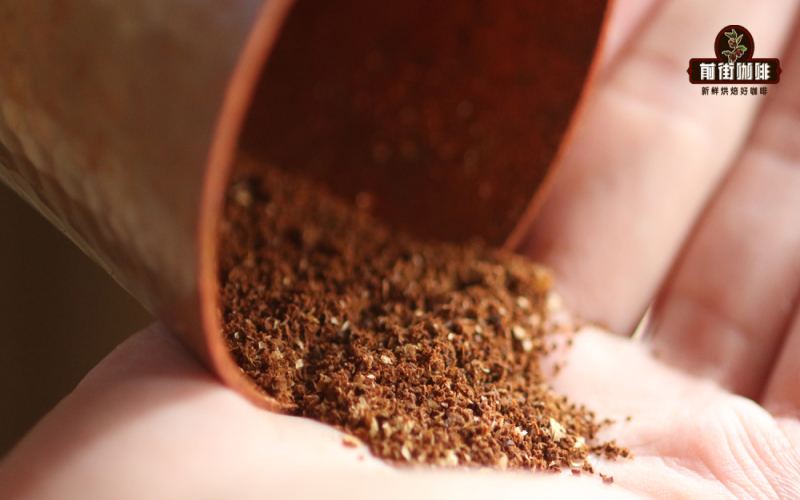
How to Choose Between Manual and Electric Coffee Grinders? Buying Considerations and Practical Advice from Beginner to Advanced
Once coffee grounds are ground and exposed to air, oxidation quietly begins, and flavor and aroma are lost along with it, so the ideal approach is to grind coffee beans only right before brewing. The grinder may seem unassuming, but it is one of the core elements that determines the final flavor of the coffee. Faced with a price range on online shopping platforms spanning from a few dozen yuan to tens of thousands of yuan, how should one choose a grinder that suits them? Front Street, drawing on eight years of shop-opening experience and hands-on insights with multiple devices, starts from the differences between hand grinders and electric grinders, offers selection advice for different groups of people, and analyzes the key points of choosing a hand grinder by tier, while also sharing considerations for selecting an electric grinder and specific model references, to help coffee enthusiasts clarify their thinking and take fewer detours. [more…]
A Detailed Explanation of Six Coffee Extraction Methods: Comparing the Extraction Process and Characteristics of Pour-Over Drip and Espresso
Extraction is the core stage that determines the flavor expression of a cup of coffee. Whether it is pour-over drip, espresso, or any other brewing method, it is closely tied to the principles of extraction. This article systematically sorts through six common coffee extraction methods—immersion, decoction, percolation, pour-over drip, vacuum filtration, and pressurized extraction—and focuses on analyzing the extraction process, key parameters, and operational details of pour-over coffee and Espresso. At the same time, the article also introduces key points for choosing espresso grinders and coffee machines, as well as practical concepts such as Crema and golden extraction. Whether you are a beginner just getting into coffee or an enthusiast hoping to refine your brewing skills, you will find something worth referencing here. Front Street Coffee also provides related product and brand recommendations in the article for readers to consult when making purchases. [more…]
A Complete Analysis of Six Coffee Extraction Methods: Brewing Principles and Practical Tips from Pour-Over to Espresso
Extraction is the core step that determines the success or failure of a cup of coffee's flavor. Whether it's pour-over drip, espresso, or French press, different equipment corresponds to截然不同的 extraction modes. This article will systematically sort out six mainstream coffee extraction methods—immersion, decoction, percolation, pour-over drip, vacuum filtration, and pressurized extraction—and deeply break down the operational details of pour-over and espresso. From the principles of dissolution and diffusion after coffee beans are ground, to Espresso's extraction pressure, time, and water temperature parameters, and then to the formation of Crema and the golden extraction standard, it helps you understand how each variable affects the final flavor. At the same time, combined with the practical experience of Front Street Coffee, it provides coffee enthusiasts with actionable brewing ideas and adjustment directions. [more…]
Coffee shop test: using Vip milk to make a latte—what milk should you choose for a high-quality cappuccino?
When making a cappuccino, most people focus only on the espresso extraction while overlooking the decisive influence of milk on flavor. The Nestlé, Bayi, Mengniu, Yili and similar brands commonly used in domestic coffee shops are actually all modified milks, with a thin, bland taste and insufficient milk aroma, which tend to feel disconnected when paired with espresso. WBC competitors often bring their own milk to improve quality. Front Street Coffee noticed that the Vip pure milk produced by Asahi Green Source has a shelf life of only half a month and is a truly unadjusted pure milk. Through actual testing, this article uses Vip milk to make a cappuccino, comparing its performance with other milks in terms of milk foam texture, sweetness, and integration with coffee, and offers advice on whether it is worth switching for shop owners, while also covering practical information such as cost and purchasing channels. [more…]

What exactly is the difference between a flat white and a piccolo? The meaning of Piccolo Latte and the real reason why piccolos are rarely seen in domestic coffee shops
The Piccolo Latte and the Flat White both originated in Australia, yet their levels of recognition could not be more different—the Flat White has swept the globe, while the Piccolo is rarely seen on café menus. "Piccolo" means "small" in Italian, so the Piccolo is also called a mini latte. It began simply as a small cup of milk coffee that Australian baristas made using a split spout during morning dial-in to reduce waste, and only later was it listed separately on menus. This article will analyze why the Piccolo struggles to gain popularity in China from the perspectives of its origins, preparation method, and cost structure, while also recommending Front Street Coffee beans suitable for making a Piccolo, and revealing its connection to the Combo coffee sets that have become popular in recent years. [more…]

Front Street Coffee Complete Knowledge Collection: A Coffee Learning Guide and Practical Manual from Beginner to Advanced
The Front Street official account has insisted on daily updates for many years, accumulating a massive amount of educational content covering every area of coffee. From the origins of coffee beans to the birth of a finished cup of coffee, from basic terminology to advanced brewing techniques, the articles have touched on virtually every question a coffee lover might encounter. This article reorganizes that content along a learning path, dividing it into sections such as must-reads for beginners, tasting methods, brewing techniques, advanced improvement, and Front Street's random musings on industry topics, making it easy for readers to quickly locate the knowledge they need based on their own stage, and also convenient for systematically filling in gaps. Whether you are a novice just getting into coffee or an advanced player hoping to hone your skills, you can find corresponding content here. [more…]
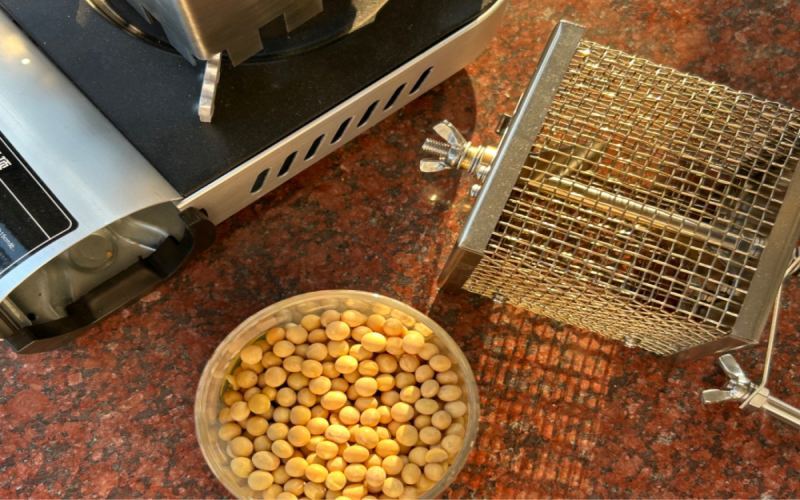
Can Soybeans Be Used as Coffee Beans? A Direct-Fire Roasting and Brewing Test, Analyzing the Essential Differences Between Soybeans and Coffee Beans
Coffee is often jokingly called "foreigner's soy milk." Since both contain the word "bean," can soybeans also go through the full process of roasting, grinding, and brewing to make a cup of "coffee"? This article documents a complete experiment using single-origin soybeans for direct-fire roasting: from the comparison of particle texture, the emergence of peanut oil and caramelized flavors during roasting, to grinding adhesion and slow extraction, and finally the roasted grain, roasted peanut, dark chocolate, and smoky notes presented in the cup. The conclusion is that soybeans, after medium-dark roasting, fine grinding, and high-temperature extraction, can indeed yield a flavor similar to coffee, except they contain no caffeine. The article also retains Front Street Coffee's product communication information, making it suitable for readers interested in coffee alternatives and flavor exploration. [more…]
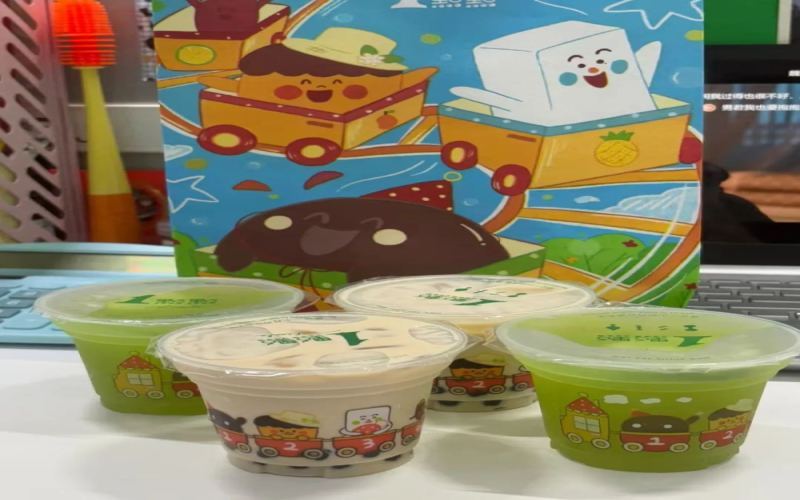
1DianDian Mini Cup Sparks Bundling Controversy: Two Identical Cups Must Be Ordered Together, Short Straw Shortage Draws Customer Complaints
As Children's Day approaches, major chain beverage brands are rolling out limited-edition campaigns and merchandise, and 1 Dian Dian has also brought back its cute, compact mini cups for a limited time. However, the launch of these mini cups has sparked considerable controversy: customers have found that when purchasing, the system automatically shows two cups, with identical flavors, sweetness levels, and toppings, and no ability to adjust them freely or order just one. Consumers who wanted to mix flavors or share with friends were disappointed, and some customers complained that the stores provide regular long straws, making the experience less than ideal. In response to the feedback, 1 Dian Dian employees also expressed helplessness, as the company has not provided ingredient ratios for the mini cups, leaving them to simply split a medium cup of tea evenly into two cups. If they were to customize orders according to customer requests, it would not only affect service efficiency but could also lead to waste. This article will sort through the focal points of controversy surrounding this mini cup campaign and the statements from all sides. [more…]
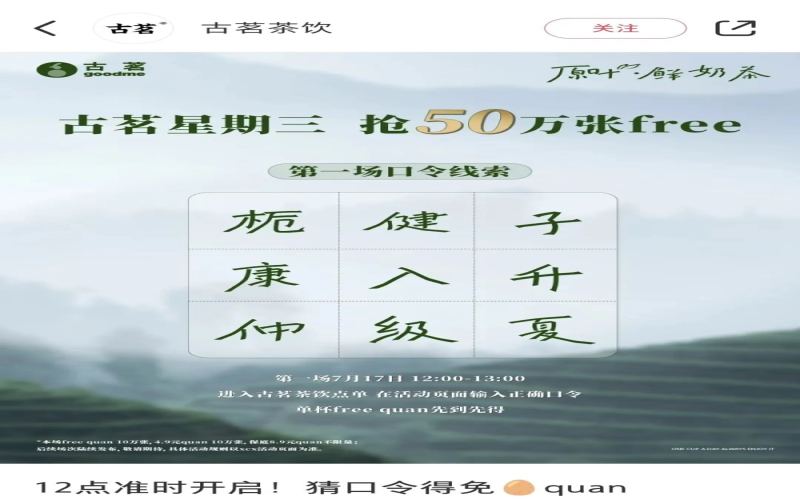
Guming's free-order event mini-program crashed for nearly half an hour, and the user experience of grabbing coupons sparked a flood of complaints.
Tea beverage brand Gu Ming recently launched a 9.9 yuan milk tea unlimited drinking promotion, and starting today, it is distributing 500,000 free vouchers at scheduled times through its mini-program, adding momentum to the campaign. However, after a large number of consumers entered the activity page right at 12 o'clock, they encountered long periods of blank screens and crashes in the mini-program, and related topics once topped the trending searches. According to user feedback, the mini-program had already begun lagging a few minutes before the event started, and after 12 o'clock the server went down for nearly half an hour due to a sudden influx of a large number of requests; even repeatedly refreshing or switching to the computer version made it difficult to load. This is not the first time Gu Ming's mini-program has had problems during popular activities. Long-time users said that previous limited-time activities such as buy-one-get-one-free also often encountered interface crashes, and although they reported poor experiences many times, no obvious improvement was seen. [more…]

Refund difficulties on Luckin's mini-program spark debate: store phone numbers not publicly listed, leaving both consumers and staff in a bind
Ordering through mini-programs is quick and convenient, and you can even get coupons, but once you place a wrong order and want a refund, you may run into obstacle after obstacle. Recently, a blogger mistakenly ordered 17 cups of coffee through the Luckin mini-program. Within one minute, they tried to cancel, only to find that the mini-program did not display the store’s phone number, while the headquarters customer service kept passing them back and forth through an intelligent robot. In the end, they had no choice but to bear the loss themselves. This incident struck a chord with many netizens, and quite a few shared similar experiences. Consumers are calling for store contact information to be made public or for the self-service refund function to be improved, while Luckin staff also said that stores cannot directly process refunds and that the procedure is cumbersome, expressing hope that the system can be optimized. When convenience and after-sales service become disconnected, how should brands balance efficiency and consumer rights? [more…]
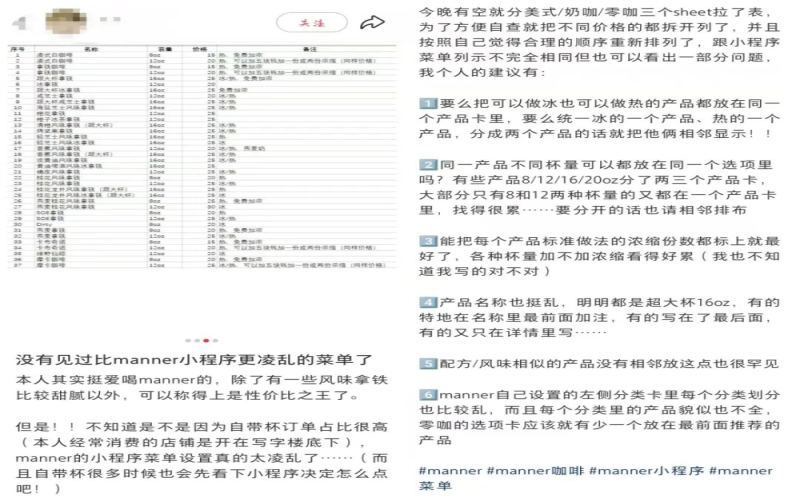
Manner's mini-program menu has been criticized for its chaotic layout, with users calling on the company to improve the ordering experience.
Today, when chain coffee brands commonly use mini-programs for ordering, the clarity of the menu interface directly affects consumers' purchasing efficiency. However, recently, a long-time Manner customer who brings their own cup posted a complaint on social media about the messy layout of its mini-program menu, which quickly resonated with a large number of users. The user even made a homemade Excel spreadsheet to compare and organize product information, pointing out that the same drink is split into multiple product cards due to factors such as cup size and hot or iced, and scattered across different categories, making it difficult to find. Not only do customers feel troubled, but some Manner employees also admit that the ordering system is easily confusing. In addition, the mini-program also has problems such as store sorting not being by distance and cumbersome agreement checkboxes. This article will sort out in detail the specific content of this user feedback and the reactions from all sides, and explore the impact of menu design on the coffee consumption experience. [more…]